
Machine Foundations Serving Cleveland, OH
Machine Foundations (Inertia Blocks & Bases)
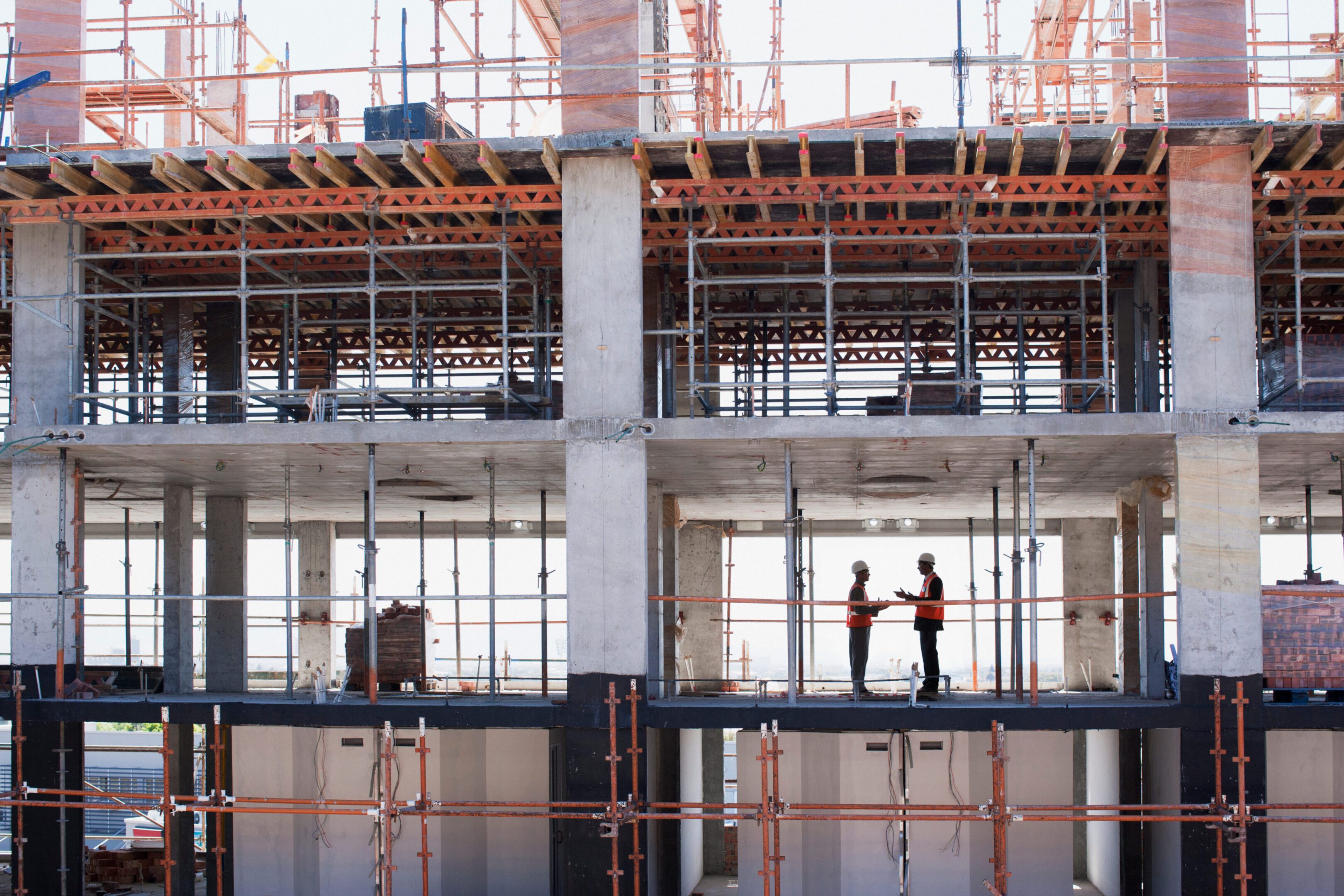
Precision Foundations for High‑Performance Machinery
Machine foundations—especially inertia blocks and machine bases—are critical structural elements that ensure heavy industrial equipment operates safely, accurately, and without unwanted vibration. These foundations are engineered to provide mass, stability, and isolation so machinery can perform at peak efficiency while protecting the surrounding structure.
Whether supporting compressors, pumps, turbines, presses, or precision manufacturing equipment, a properly designed inertia block or machine base is essential for long‑term reliability.
What Are Inertia Blocks & Machine Bases?
Inertia blocks and machine bases are specialized reinforced concrete structures designed to:
Increase mass beneath machinery to reduce vibration
Provide a stable, rigid platform for precision alignment
Isolate dynamic forces from the surrounding slab and building
Protect sensitive equipment from external vibration
Extend machine life by minimizing structural stress
These foundations are engineered to match the machine’s operating characteristics, load requirements, and environmental conditions.
Why Inertia Blocks Matter
Many industrial machines generate dynamic forces—rotating, reciprocating, or impact loads—that can cause:
- Excessive vibration
- Misalignment
- Reduced accuracy
- Premature wear
- Noise issues
- Structural damage
An inertia block adds mass and stiffness, absorbing and dampening these forces. The result is smoother operation, improved precision, and a safer working environment.
Types of Machine Foundations
Inertia Blocks
Large, reinforced concrete masses designed to counteract dynamic forces. Ideal for:
- Compressors
- Pumps
- Turbines
- Generators
- Industrial mixers
- High‑speed rotating equipment
Machine Bases
Reinforced concrete platforms designed to support equipment requiring precise alignment and anchoring. Common for:
- CNC machines
- Presses
- Injection molding machines
- Material processing equipment
Vibration‑Isolated Foundations
Foundations that incorporate:
- Isolation pads
- Springs
- Elastomeric mounts
- Damping systems
These systems protect both the machine and the building from vibration transfer.
Key Design Considerations
Mass & Stiffness
Calculated based on machine weight and dynamic forces
Designed to minimize vibration amplitude
Engineered to maintain long‑term rigidity
Soil & Subgrade Preparation
Geotechnical evaluation
Compaction and stabilization
Settlement control
Reinforcement & Structural Integrity
Heavy rebar cages for strength
Anchoring systems integrated into the design
Precision embed placement for machine alignment
Utility Integration
Embedded conduits
Drainage or cooling systems
Access points for maintenance
Vibration Isolation
Isolation pads or mounts selected based on machine frequency
Separation joints to prevent vibration transfer
Damping materials to reduce resonance
Construction Process
Engineering & Analysis Load calculations, vibration modeling, and layout planning.
Excavation & Subgrade Prep Proper depth, compaction, and soil stabilization.
Forming & Reinforcement Precision placement of rebar, embeds, and anchor systems.
Concrete Placement High‑strength mixes, controlled pours, and consolidation.
Curing & Finishing Ensuring the foundation reaches full design strength.
Machine Installation Leveling, alignment, and anchoring to the foundation.
Maintenance & Long‑Term Performance
Routine inspection ensures the foundation continues to perform:
Check for cracks, settlement, or spalling
Verify anchor bolt integrity
Inspect isolation materials for wear
Monitor vibration levels
Keep the area clean and dry
A well‑maintained foundation protects your equipment investment and reduces downtime.
Why Machine Foundations Matter
A machine is only as accurate and reliable as the foundation beneath it. Properly engineered inertia blocks and bases:
- Improve machine performance
- Reduce vibration and noise
- Extend equipment life
- Increase safety
- Protect the surrounding structure
- Minimize maintenance and downtime
Plan Your Machine Foundation Around the Equipment

Planning for machine foundation construction often begins with a review of equipment specifications and site conditions. Consider dimensions, mounting requirements, available access, and the surrounding workspace when determining the project approach. An early site review also helps the project team identify conditions that may need to be addressed before construction begins.
For facilities in Cleveland, OH, new machine foundations are often needed as equipment and production needs change. The work may also need to account for ongoing facility operations, particularly when nearby equipment or work areas must remain accessible during construction.
Seven Sons Construction works with industrial clients to install machine foundations tailored to equipment and project site needs. Discussing the project in advance gives our team a better understanding of the planned installation and any site-specific requirements that need attention before work starts.
Ready to discuss your upcoming project? Contact us to get started